Digestive discomfort is often easy to dismiss as acidity, gas, or something temporary. However, recurring abdominal pain, persistent heartburn, irregular bowel movements, unexplained weight changes, or changes in digestion can sometimes indicate an underlying gastrointestinal condition. Recognising when symptoms need professional attention can help patients seek appropriate evaluation instead of continuing to manage recurring problems on their own.
At Galaxy Multispeciality Hospital, Wadala, gastroenterology care focuses on evaluating and managing conditions involving the stomach, intestines, liver, pancreas, oesophagus, colon, and related digestive organs. The hospital’s dedicated gastroenterology service page describes diagnostic procedures, therapeutic treatments, nutritional guidance, and long-term digestive care. Dr. Siddharth Harindranath is identified on the hospital’s page as a gastroenterologist associated with the department.
When Is Digestive Discomfort More Than Acidity?
Occasional acidity or bloating may happen after certain foods, irregular meals, or lifestyle changes. However, symptoms that continue for several weeks or repeatedly interfere with daily activities deserve proper medical assessment.
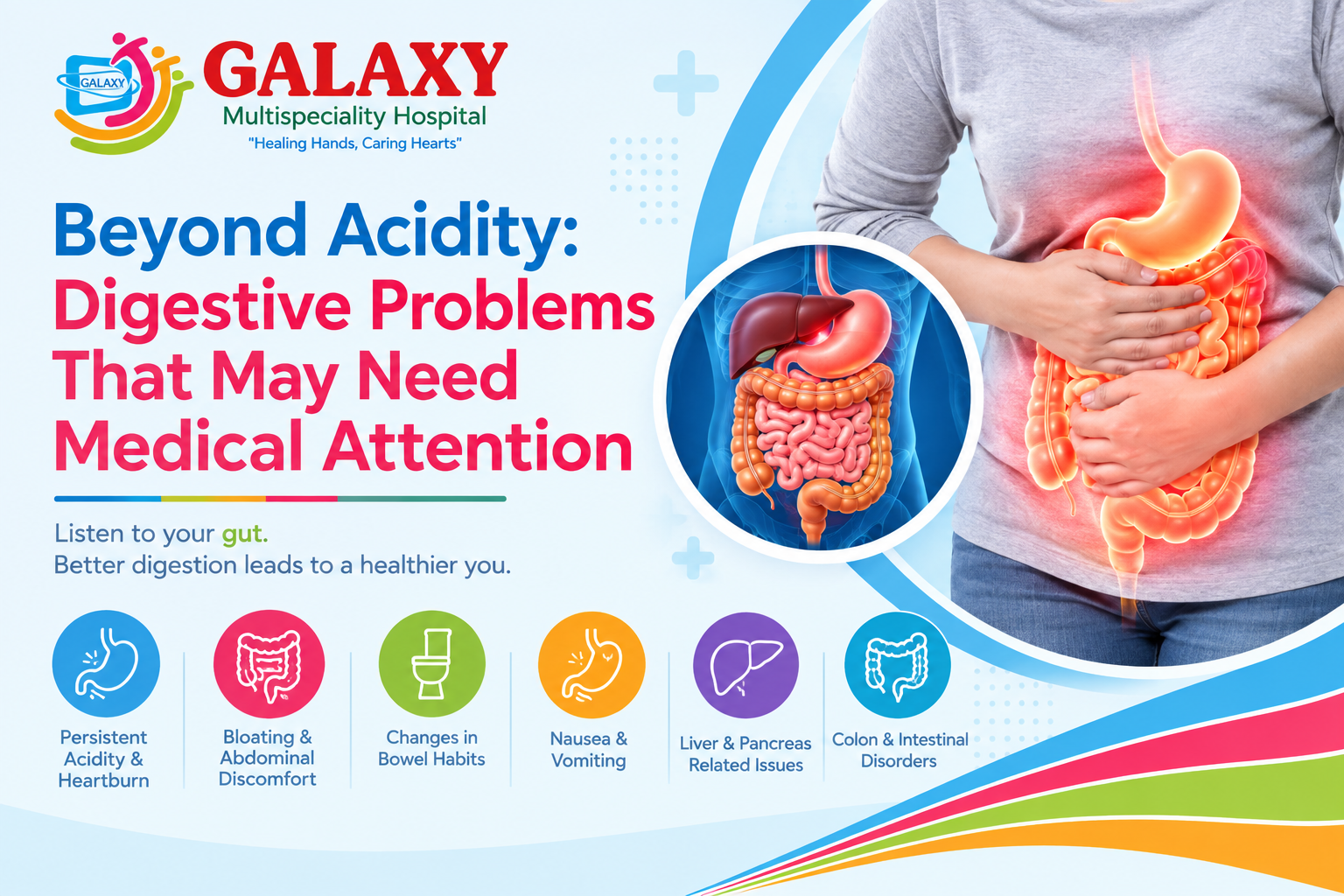
Ongoing heartburn, stomach discomfort, bloating, constipation, diarrhoea, nausea, or changes in bowel movements can happen for many reasons. Digestive conditions such as acid reflux, irritable bowel syndrome, gastritis, stomach ulcers, liver problems, pancreatic disorders, colon and rectal conditions, celiac disease, and food intolerance may cause these symptoms.
For people looking for Gastroenterology Services in Wadala, consulting a gastroenterologist can help identify the possible cause of persistent digestive symptoms and determine whether further tests or treatment may be needed.
Digestive Symptoms You Should Not Ignore
Not every digestive symptom indicates a serious condition, but certain patterns should not be overlooked. Persistent abdominal pain, frequent heartburn, unexplained weight loss, ongoing constipation or diarrhoea, jaundice, or continuing digestive discomfort can warrant professional evaluation.
The hospital recommends considering gastroenterology consultation when symptoms such as persistent abdominal discomfort, chronic acid reflux, irregular bowel movements, unexplained weight loss or fatigue, jaundice, or a family history of digestive disorders or colon cancer are present.
For patients seeking Gastroenterology Treatment in Wadala, describing when the symptoms started, how frequently they occur, and whether certain foods or activities make them worse can help the specialist during the consultation.
What Happens During a Gastroenterology Evaluation?
A gastroenterology consultation generally begins with a discussion about symptoms, medical history, medications, diet, lifestyle, and previous test reports. The doctor may then recommend investigations based on the symptoms and suspected condition.
Galaxy Hospital offers different tests to help doctors find the cause of digestive problems. These may include endoscopy, colonoscopy, ultrasound, other imaging tests, blood or laboratory tests, biopsies, and testing for Helicobacter pylori.
Imaging tests can be helpful when the doctor needs to check organs such as the liver, pancreas, or gallbladder. If abdominal ultrasound is recommended, patients can also learn more about the hospital’s sonography services in Wadala and how ultrasound can help with diagnosis.
Common Conditions Managed by Gastroenterology Specialists
Gastroenterologists treat many different digestive problems. Acid reflux and heartburn can cause a burning feeling in the chest or throat, while IBS may lead to stomach pain, bloating, constipation, diarrhoea, or changes in bowel habits.
Gastritis and stomach ulcers can cause stomach discomfort and other digestive problems. Liver conditions may also need regular care and monitoring. Gastroenterology care can include conditions such as inflammatory bowel disease, pancreatic problems, colon polyps, food intolerance, and other digestive or rectal conditions.
Because digestive problems can have different causes, Gastroenterology Services in Wadala may involve different tests and treatment options based on each patient’s condition.
What Treatment Options May Be Available?
Treatment depends on what is causing the digestive problem. Some conditions can improve with medicines, dietary changes, enough fluids, lifestyle changes, and regular follow-ups. In some cases, an endoscopic or minimally invasive procedure may be recommended.
Treatment options may include removing polyps, taking a biopsy, placing or widening a stent, managing liver conditions, treating inflammatory bowel disease, and performing minimally invasive procedures. ERCP may also be recommended for certain problems involving the bile ducts or pancreas.
Some digestive symptoms may also be linked to gallstones. If gallstones are suspected, a separate evaluation may be needed to decide on the right treatment. Patients can learn more about gallstone treatment in Wadala, including common symptoms, diagnosis, and treatment options.
Why Lifestyle and Nutrition Matter
Medical treatment is only a fraction of maintaining digestive health. Diet, hydration, physical activity, sleep, stress management, and other daily habits can influence gastrointestinal comfort and overall wellness.
The hospital’s gastroenterology service includes nutritional and lifestyle guidance tailored to individual needs. Recommendations may involve dietary adjustments, hydration, healthy routines, and other measures intended to support long-term digestive health.
For someone looking for Gastroenterology Treatment in Wadala, discussing everyday habits with a specialist can be useful, particularly when symptoms repeatedly return despite temporary relief.
When Should You See a Gastroenterologist?
A specialist consultation can be considered when digestive symptoms are persistent, recurring, worsening, or affecting normal activities. It is particularly important not to ignore unexplained weight loss, jaundice, ongoing abdominal pain, or significant changes in bowel habits.
A gastroenterologist can determine whether additional testing is required and create a treatment plan based on the individual’s condition. At Galaxy Multispeciality Hospital, the gastroenterology department describes a patient-centred approach involving consultation, diagnosis, personalised treatment, follow-up, and patient education.
For patients exploring Gastroenterology Services in Wadala, understanding the cause of recurring symptoms is an important step toward appropriate care.
Frequently Asked Questions
1. What conditions does a gastroenterologist treat?
Gastroenterologists manage digestive conditions including organs such as the oesophagus, stomach, intestines, liver, pancreas, and colon. Common problems include reflux, IBS, gastritis, ulcers, liver disorders, and inflammatory bowel disease.
2.When should I see a gastroenterologist?
Consider consultation for relentless abdominal pain, chronic heartburn, unexplained weight loss, recurring constipation or diarrhoea, jaundice, or other ongoing digestive symptoms.
3. Are endoscopy and colonoscopy used for diagnosis?
Yes. The hospital lists both endoscopy and colonoscopy among its diagnostic procedures for evaluating abnormalities within the digestive tract.)
4. Can digestive problems be managed through lifestyle changes?
Some conditions may benefit from dietary changes, adequate hydration, exercise, stress management, and other lifestyle measures. The appropriate approach depends on the underlying diagnosis.
5. Who provides gastroenterology care at Galaxy Hospital?
Dr. Siddharth Harindranath is identified on the hospital’s gastroenterology page as a gastroenterologist associated with the department.