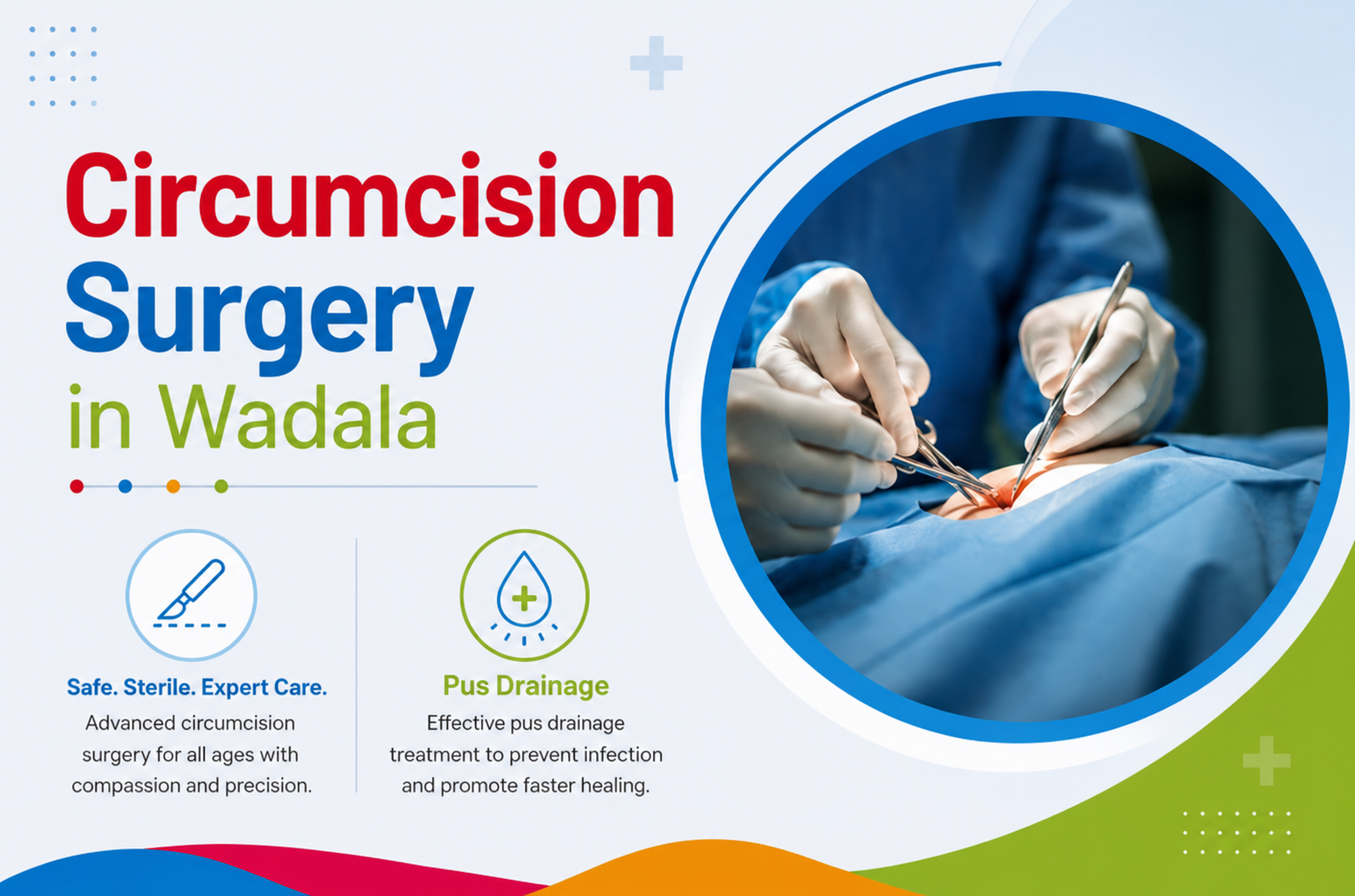
Foreskin-related pus discharge is a concern that many men and parents of young boys push aside, assuming it will resolve with basic home care. Yet when the problem surfaces repeatedly or intensifies, it almost always signals something more serious: an infection, a structural issue, or both that warrants professional evaluation, potentially including Circumcision Surgery in Wadala.
What Is Your Body Telling You Through Pus Drainage?
Discharge forming beneath the foreskin typically reflects microbial activity, either bacterial or fungal. This presents medically as balanitis (glans inflammation), posthitis (foreskin inflammation), or a combined condition called balanoposthitis. A structurally narrow foreskin that does not retract fully, clinically termed phimosis, creates a warm, moist environment where pathogens thrive, leading to persistent or worsening discharge.
Warning signs that call for medical consultation include:
- Dense yellowish or greenish fluid collecting beneath the foreskin
- Visible puffiness, soreness, or redness around the penile head
- A foreskin that resists or causes pain when pulled back
- Stinging or difficulty experienced while urinating
- A noticeable foul smell from the affected area
Whenever these indicators surface repeatedly or fail to respond to prescribed treatment, a deeper diagnostic assessment becomes unavoidable.
Are You at Greater Risk for Recurring Foreskin Infections?
Certain health conditions and everyday habits place some individuals at considerably higher risk. Key contributing factors include:
- Insufficient attention to genital cleanliness
- Poorly managed or undetected diabetes
- A congenitally tight or non-retractable foreskin
- Fungal infections that return after treatment
- A weakened or suppressed immune system
- A documented history of balanitis flare-ups
Spotting and addressing these vulnerabilities early gives medical professionals a much better chance of breaking the infection cycle before it leads to surgical necessity.
When Do Doctors Recommend Moving Toward Surgery?
Newly developed or single-occurrence infections generally respond to conservative management, prescription creams, antibiotic courses, and stricter hygiene routines. However, a urologist may recommend Circumcision Surgery in Wadala as the most appropriate step when:
- The Infection Cycle Refuses to Break — Patients completing multiple medication rounds yet experiencing continued discharge are likely dealing with a foreskin that fundamentally sustains infection. Surgical removal permanently eliminates that breeding ground.
- Phimosis Is Compounding the Infection — When a tight foreskin actively prevents adequate cleaning, trapped secretions continuously feed bacterial growth. No topical treatment can compensate for this structural barrier.
- Scar Tissue Has Accumulated — Every infection episode deposits additional scar tissue, progressively tightening the foreskin. At a certain point, surgery becomes the only viable route.
- An Abscess Has Developed — A full-blown abscess demands urgent surgical intervention. Once drained, circumcision is typically performed to eliminate any chance of recurrence.
The Growing Preference for Laser Circumcision Surgery in Wadala
Contemporary surgical centres now routinely offer Laser Circumcision Surgery in Wadala as a refined alternative to older operative techniques. Instead of manual incision tools, laser-based procedures use concentrated light energy to excise foreskin tissue with pinpoint precision. Patients typically experience:
- Controlled, minimal blood loss as vessels are sealed during the procedure
- A significantly reduced chance of wound-site infection post-surgery
- An accelerated return to daily routines
- Considerably lower levels of post-procedure soreness
- A neater surgical result with fewer sutures, depending on clinical circumstances
For anyone whose foreskin tissue is already compromised by repeated infections, Laser Circumcision Surgery in Wadala offers a smoother operative and post-operative journey.
What to Expect During and After the Procedure
The surgery is administered under local or general anaesthesia, selected based on the patient’s age and health profile. Most procedures conclude within 30 to 60 minutes. Afterward, patients are guided to keep the surgical site clean and dry, choose loose, breathable clothing, avoid physically intensive activities for three to four weeks, and attend all follow-up appointments. Most patients achieve a satisfying recovery within two to three weeks.
At Galaxy Healthcare Ventures, no surgical recommendation is made without a comprehensive individual assessment, ensuring every treatment decision is grounded in the patient’s unique clinical picture.
Frequently Asked Questions
Q1. Does pus drainage always indicate an infection?
Overwhelmingly yes. Pus formation is almost always tied to active microbial infection, though the precise trigger, bacterial, fungal, or structural, can differ between patients.
Q2. Will antibiotics permanently stop recurring pus drainage?
Antibiotics control active infections, but when the same problem keeps returning, the underlying anatomical cause, commonly phimosis, must be addressed directly.
Q3. How uncomfortable is laser circumcision?
Most patients describe far less discomfort than anticipated, with laser procedures consistently delivering lower pain levels, reduced bleeding, and swifter recovery than conventional methods.
Q4. How long does post-operative healing take?
Two to three weeks covers recovery for most patients, though the timeline varies based on individual health and the surgical technique used.
Final Thoughts
Dismissing recurring pus drainage as a minor inconvenience can allow a manageable condition to escalate into something far more complex. When standard treatments repeatedly fall short, Circumcision Surgery in Wadala steps in as a clinically sound, long-term answer targeting the very source of the problem. Early professional guidance minimises risk and restores comfort sooner. At Galaxy Healthcare Ventures, each patient receives specialised expertise and a personalised care plan built entirely around achieving the safest, most effective surgical outcome.